
Wearable Tech Trends That Will Shape Everyday Life

The wearable tech trends reshaping our world are no longer confined to counting steps or monitoring sleep. Today, wearable technology is penetrating healthcare, mental wellness, productivity, and the very fabric of daily convenience — becoming as indispensable as the smartphone. From biosensors stitched into clothing to augmented reality glasses overlaying digital information on the physical world, these innovations are quietly rewriting how humans interact with technology and with each other.
The Evolution of Wearable Technology: From Fitness Trackers to Smart Ecosystems
Wearables have undergone a dramatic transformation — evolving from single-purpose gadgets into interconnected smart ecosystems that communicate with phones, home devices, and cloud-based health platforms. The trajectory of this evolution accelerated sharply with the convergence of miniaturized sensors, improved battery technology, and 5G connectivity.
Key milestones in wearable tech development:
- 2009 – Fitbit launches the first consumer fitness tracker
- 2012 – Google Glass introduces AR eyewear to the public
- 2015 – Apple Watch redefines the smartwatch category
- 2018 – ECG monitoring becomes available on consumer wearables
- 2021 – Smart rings and continuous glucose monitors enter the mainstream
- 2024–2025 – AI-personalized wearables and neural interfaces emerge
Early Wearables vs Modern Devices
| Feature | First-Gen Trackers | Modern Wearables |
|---|---|---|
| Primary Function | Step counting | Health monitoring, payments, communication |
| Sensors | Accelerometer | ECG, SpO2, temperature, GPS, gyroscope |
| Connectivity | Bluetooth only | Bluetooth, Wi-Fi, LTE, NFC |
| Battery Life | 5–7 days | 1–14 days (device-dependent) |
| AI Integration | None | Real-time personalized insights |
| App Ecosystem | Limited | Thousands of third-party integrations |
Key Drivers Behind Wearable Tech Growth
- Artificial Intelligence enabling real-time, personalized data analysis
- Miniaturization of sensors making devices smaller and more powerful
- Rising chronic disease rates driving demand for continuous monitoring
- Consumer health consciousness post-pandemic
- 5G and edge computing reducing latency in data processing
- Falling hardware costs making premium features more accessible
Health-Focused Wearables: Revolutionizing Personal Healthcare
Health-centric wearables are now among the most consequential technologies in preventive medicine. As healthcare costs rise globally and physician access becomes strained, devices that empower individuals to monitor and manage their own health data represent a fundamental shift in medical paradigms.
Advanced Biometric Monitoring and Real-Time Data
Modern wearables track a staggering array of physiological metrics, providing data that was previously only obtainable in clinical settings. According to WHO’s digital health strategy, real-time health data has the potential to dramatically improve health outcomes at scale.
Key health metrics tracked by advanced wearables:
- Heart rate variability (HRV) for stress and recovery assessment
- Blood oxygen saturation (SpO2) for respiratory monitoring
- Electrocardiogram (ECG) for arrhythmia detection
- Skin temperature for illness and hormonal cycle tracking
- Continuous glucose monitoring (CGM) for metabolic health
- Sleep architecture (REM, deep, light cycles)
- Respiratory rate for early illness detection
Wearables for Chronic Disease Management
For the 60% of adults in the U.S. living with at least one chronic condition, wearables offer life-changing continuous oversight. Continuous glucose monitors (CGMs) like Dexcom and Abbott’s FreeStyle Libre have transformed diabetes management by eliminating the need for painful finger-stick tests.
Benefits of wearables in chronic disease management:
- Continuous, passive monitoring with no patient effort
- Early detection of dangerous anomalies (e.g., atrial fibrillation)
- Reduced emergency hospitalizations through proactive alerts
- Improved medication adherence through smart reminders
- Rich longitudinal datasets for better clinical decision-making
Integration with Telemedicine and Health Apps
Wearables increasingly act as bridges between patients and their healthcare providers, enabling a continuous data stream that enriches telemedicine appointments.
- Data collection – Device sensors capture biometric data continuously
- Local processing – On-device AI filters noise and identifies patterns
- Cloud sync – Data uploads to secure health platforms (Apple Health, Google Health)
- Provider access – Physicians review dashboards with historical trends
- Clinical action – Providers adjust treatments or trigger interventions remotely
Smart Wearables in Daily Life: Convenience and Productivity
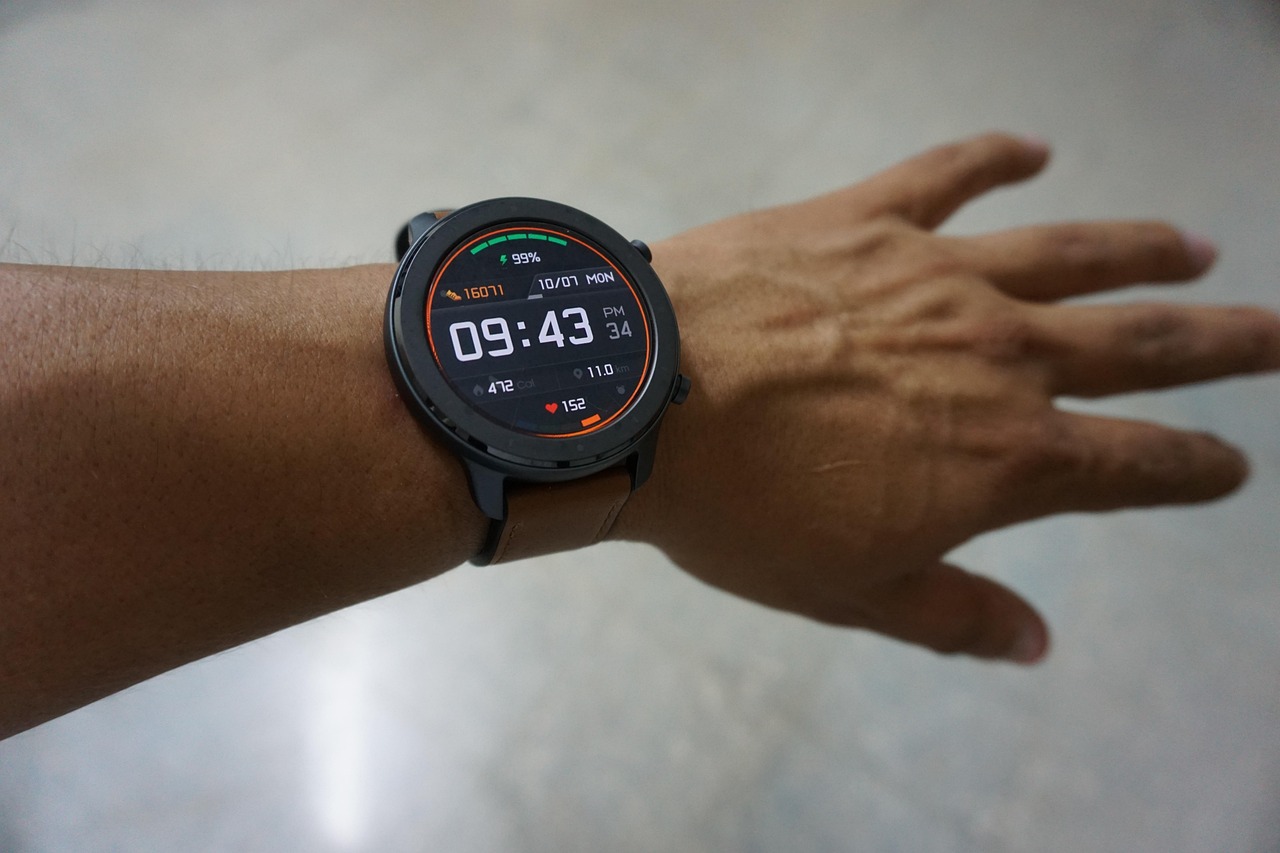
Beyond health, wearable technology is streamlining daily routines, reducing friction in communication, and enabling entirely hands-free productivity. The always-on nature of wearables gives them a unique advantage over smartphones — they’re on your body, not in your pocket.
Smartwatches and Hands-Free Communication
Core features of modern smartwatches:
- Push notifications for messages, emails, and calendar events
- LTE calling and messaging independent of a smartphone
- Voice assistant integration (Siri, Google Assistant, Alexa)
- Contactless NFC payments at point-of-sale terminals
- Turn-by-turn navigation with haptic feedback
- Real-time translation in select models
Wearable Payments and Digital Wallets
Contactless payments via wearable devices are growing rapidly, driven by consumer demand for faster, more hygienic transactions.
Advantages of wearable payments:
- No wallet or phone needed at checkout
- Transactions authenticated via biometric data (heart rate pattern, fingerprint)
- Works even when the phone’s battery is dead (LTE-enabled devices)
- Reduced risk of device loss versus a physical card or phone
Augmented Reality (AR) Glasses and Smart Displays
AR glasses represent the next major frontier in wearable interfaces. Devices like Meta Ray-Ban Smart Glasses and emerging platforms from Apple and Google are blending the digital and physical worlds in meaningful ways.
Use cases for AR glasses:
- Real-time navigation overlaid on the user’s field of view
- Hands-free access to work instructions in industrial environments
- Simultaneous language translation during conversations
- Enhanced retail experiences with product information overlays
- Remote collaboration with shared AR workspaces
Emerging Wearable Tech Trends to Watch
The next wave of wearable tech trends will push the boundaries of what’s biologically and computationally possible. These innovations are moving from research labs to consumer shelves faster than ever before.
AI-Powered Personalization in Wearables
AI personalization features in wearables include:
- Adaptive coaching that evolves based on user behavior and physiology
- Predictive stress alerts before cortisol spikes become symptomatic
- Sleep optimization recommendations tailored to individual chronotypes
- Dynamic workout adjustments based on real-time recovery metrics
Smart Clothing and E-Textiles
Applications of smart clothing and e-textiles:
- Sports performance – Compression shirts with embedded EMG sensors measuring muscle activation
- Posture correction – Smart back braces providing haptic feedback for slouching
- Healthcare – Hospital gowns that continuously monitor patient vitals
- Military – Combat uniforms tracking soldier health and location in real time
Brain-Computer Interfaces and Next-Gen Interaction
Brain-computer interfaces (BCIs) represent the most radical frontier in wearables. Companies like Neuralink, Synchron, and Emotiv are developing devices that detect neural signals to enable direct device control:
- Control smartphones and computers using thought alone
- Restore communication for individuals with ALS or paralysis
- Enhanced cognitive training and meditation through neurofeedback
- Long-term memory augmentation (early research stage)
Privacy and Security Challenges in Wearable Technology

As wearables collect increasingly intimate data — heartbeats, sleep habits, location history, even emotional states — the stakes around data privacy and security have never been higher.
Data Collection and User Privacy Risks
Key privacy risks associated with wearables:
- Biometric data sold or shared with third-party advertisers
- Location tracking enabling stalking or unwanted surveillance
- Health data used by insurers to deny or price coverage
- Data breaches exposing sensitive medical history
Security Best Practices for Wearable Users
- ✅ Enable two-factor authentication on all connected apps
- ✅ Regularly review and revoke third-party data-sharing permissions
- ✅ Keep device firmware updated to patch security vulnerabilities
- ✅ Use strong, unique passwords for health platform accounts
- ✅ Opt out of data-sharing programs where possible
- ✅ Purchase devices from manufacturers with clear, auditable privacy policies
Regulatory and Ethical Considerations
- HIPAA governs health data in the U.S. but many consumer wearables fall outside its scope
- The EU’s GDPR requires explicit consent for biometric data collection
- Ethical concerns persist around employer-mandated wearable monitoring
- Calls for a dedicated biometric data protection act are growing in legislative circles
How to Choose the Right Wearable Device
With hundreds of devices on the market, selecting the right wearable requires matching your specific needs against a device’s capabilities, ecosystem compatibility, and price point.
Key Features to Look For in Wearable Tech
- ✅ Battery life – Minimum 5 days for fitness trackers; 18+ hours for smartwatches
- ✅ Sensor suite – Match sensors to your health goals (ECG, SpO2, CGM)
- ✅ OS compatibility – Ensure device works with your smartphone platform
- ✅ Water resistance – Minimum IP68 rating for active users
- ✅ Third-party app support – Breadth of health app integrations
- ✅ Display quality – Critical for AR glasses and navigation use
Comparing Popular Types of Wearables
| Type | Best For | Price Range | Standout Features |
|---|---|---|---|
| Smartwatch | All-around use | $150–$800+ | ECG, LTE, payments, apps |
| Fitness Tracker | Health & activity | $30–$250 | Long battery, sleep tracking |
| Smart Ring | Discreet monitoring | $200–$450 | Sleep, HRV, no screen |
| AR Glasses | Productivity, navigation | $300–$3,500+ | Hands-free display, AI assistant |
| CGM Wearable | Diabetes/metabolic health | $50–$200/month | Real-time glucose, no finger sticks |
Budget vs Premium Wearables: What’s Worth It?
Budget wearables (under $100):
- ✅ Excellent step counting and sleep tracking
- ✅ Long battery life
- ❌ Limited sensor accuracy
- ❌ Fewer third-party integrations
Premium wearables ($300+):
- ✅ Medical-grade sensor accuracy
- ✅ Seamless ecosystem integration
- ✅ Advanced AI health insights
- ❌ Higher upfront cost
- ❌ Shorter battery life due to display and processing demands
The Future of Wearable Technology in Everyday Life
The long-term arc of wearable technology points toward seamless, invisible integration into every aspect of human experience. As devices shrink, sensors multiply, and AI becomes more sophisticated, wearables will transition from tools we use to systems that anticipate our needs.
Seamless Integration with Smart Homes and IoT
Examples of wearable-IoT integration:
- Smartwatch adjusts home thermostat based on detected body temperature
- Sleep tracker signals smart lighting to dim when sleep onset is detected
- Stress-detection wearable triggers calming music through smart speakers
- Health ring unlocks smart door locks via biometric authentication
Predictive and Preventive Technology
- Wearables will detect early biomarkers of heart attacks hours before symptoms appear
- AI models will predict mental health episodes based on behavioral and physiological patterns
- Devices will proactively suggest hydration, movement, or rest before deficits become symptomatic
- Integration with genomic data will enable hyper-personalized health recommendations
Conclusion
The wearable tech trends outlined here signal a future where technology is not something we hold or tap — it’s something we wear, something that listens, and something that genuinely understands our bodies and lives. From AI-driven health alerts to brain-computer interfaces, from contactless payments to AR-enhanced vision, wearables are becoming essential infrastructure for modern life. Staying informed about these developments is no longer optional for health-conscious consumers, business professionals, or anyone who wants to thrive in an increasingly connected world. The wearable revolution is not on the horizon — it is already on your wrist.